Streaming vs Downloading: Which Method Wins for Digital Media?
Deciding between streaming and downloading content? Explore the pros and cons of each method regarding storage, quality, cost, and accessibility in our det
Table of Contents
In the digital age, consuming media—whether movies, music, podcasts, or games—is easier than ever. But when you want to access your favorite content, you face a fundamental choice: Streaming vs Downloading. Both methods allow immediate access to vast libraries, yet they operate on fundamentally different principles, impacting everything from required internet speed to long-term storage needs. Understanding these differences is crucial for optimizing your digital experience and managing data usage effectively. This comprehensive guide breaks down the core mechanics, benefits, drawbacks, and ideal use cases for both streaming and downloading, helping you decide which approach is the definitive winner for your lifestyle.
The Mechanics: How Streaming and Downloading Differ
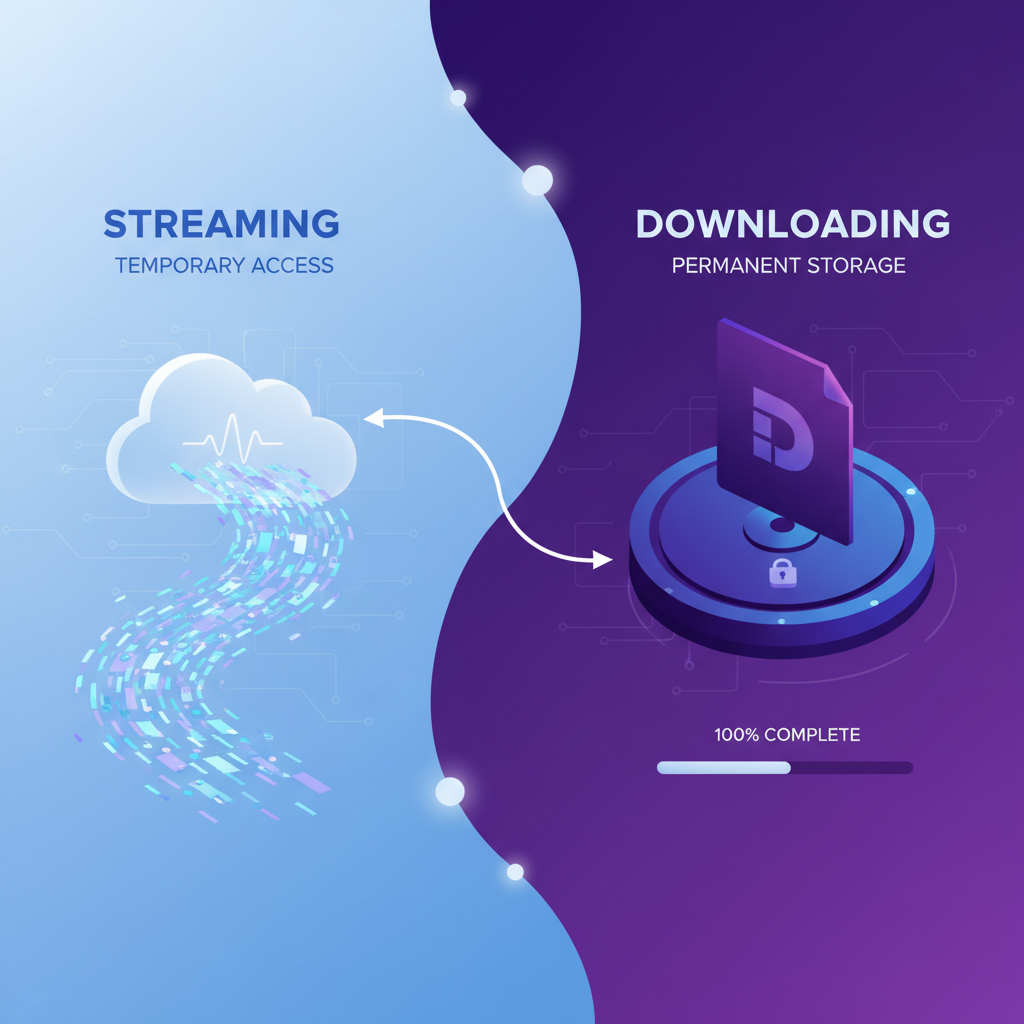
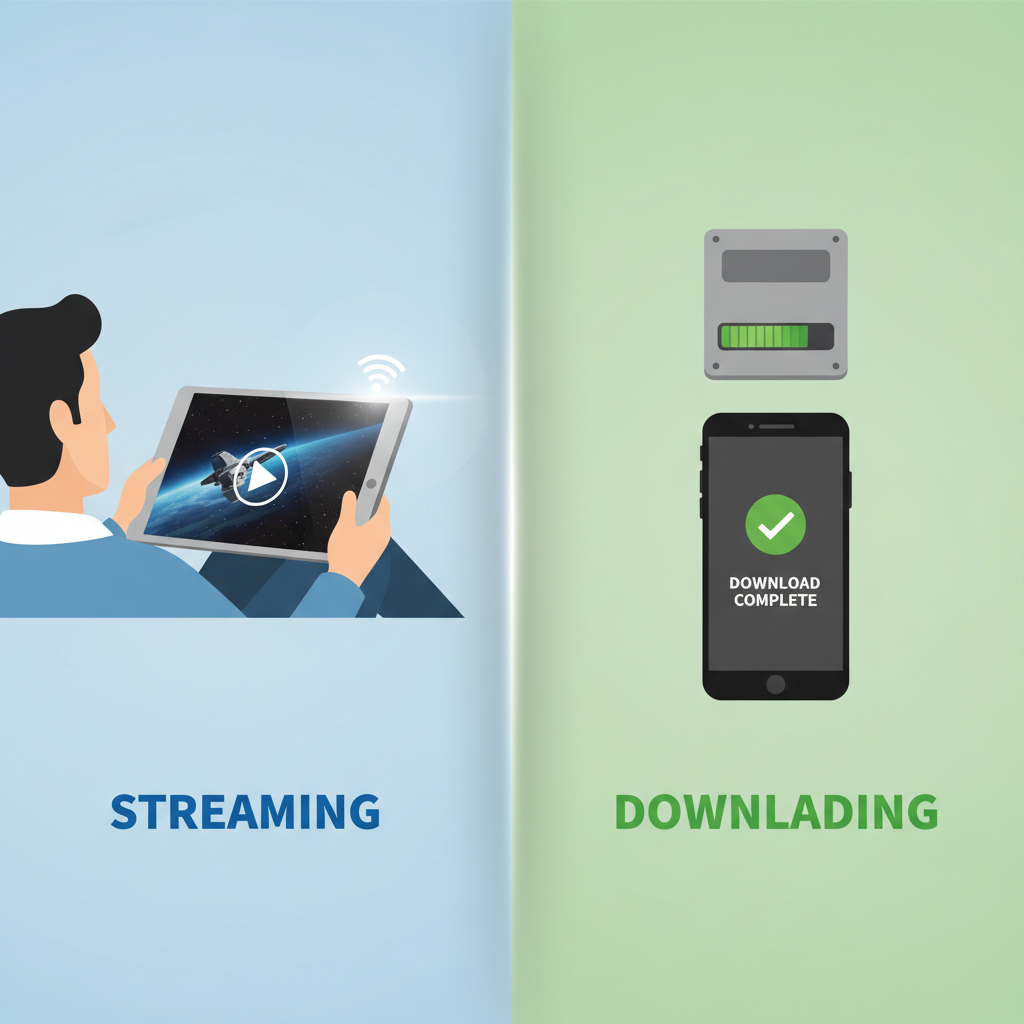
To truly compare streaming vs downloading, we must first understand how each method delivers data. When you stream content, data is transmitted continuously and played back in real-time, often using a temporary buffer. The data packets are discarded after viewing, meaning the file is never permanently stored on your device. This process requires a stable, high-speed internet connection throughout the entire viewing or listening session.
The Process of Downloading Digital Content
Conversely, downloading involves transferring the entire digital file from a server to your local storage (hard drive, SSD, or mobile memory). Once the download is complete, the file resides permanently on your device. This means you can access and play the content repeatedly without any further internet connection. While the initial download time can be significant, the payoff is complete offline accessibility. This distinction between temporary access and permanent ownership is the foundational difference between the two methods.
Accessibility and Offline Viewing Capabilities
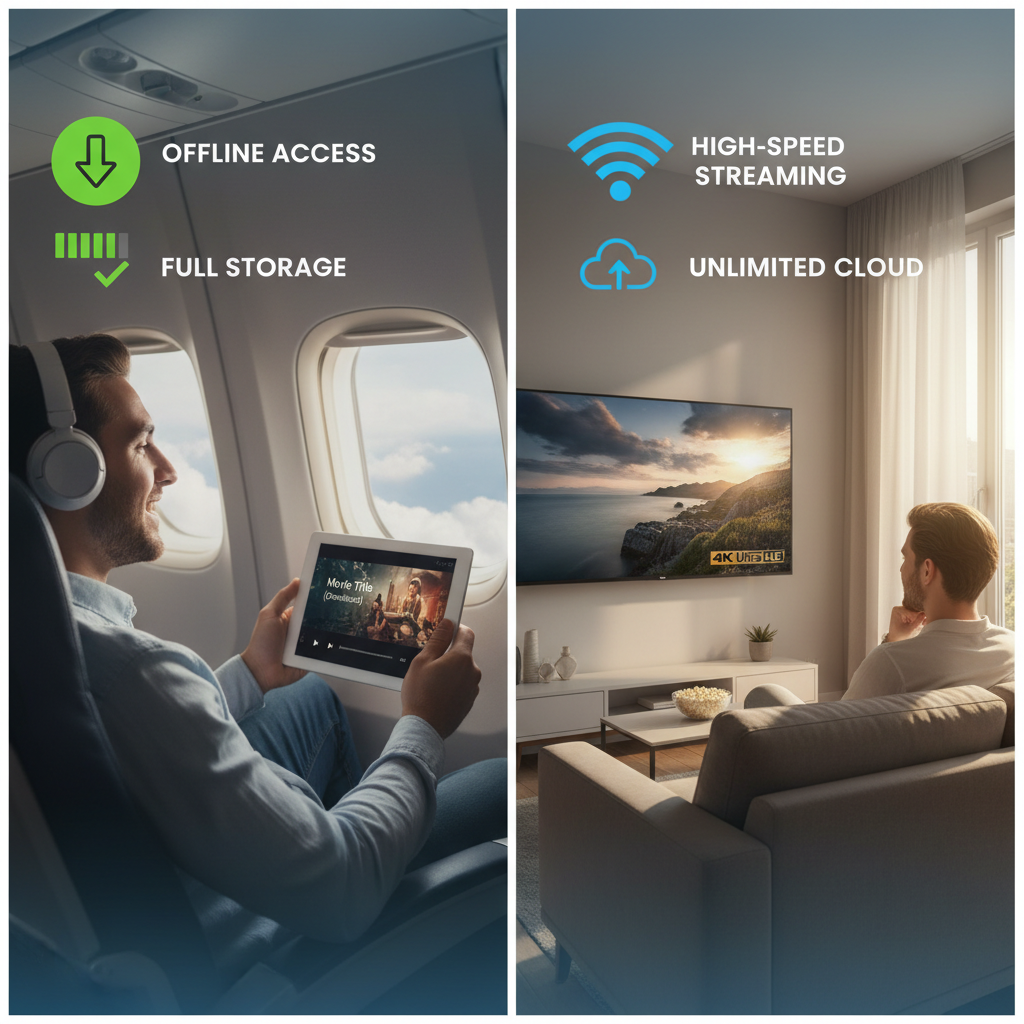
One of the most significant factors influencing the streaming vs downloading debate is accessibility, particularly in environments with limited or no internet connectivity. Streaming is inherently dependent on a reliable connection. If your Wi-Fi drops or you enter an area with poor cellular service, your streaming experience ends abruptly. This makes streaming challenging for commutes, flights, or remote locations.
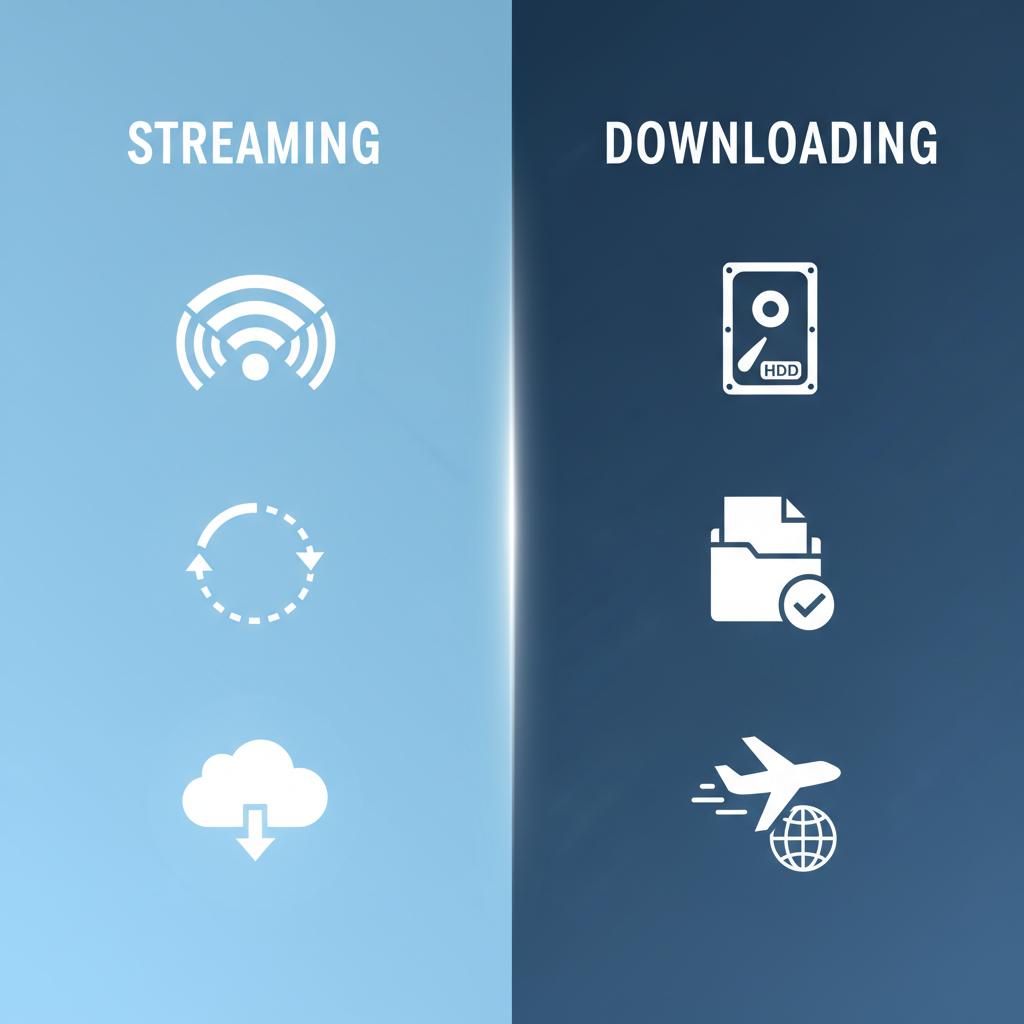
- Streaming Accessibility: Requires constant bandwidth; ideal for home use or unlimited data plans.
- Downloading Accessibility: Provides 100% offline access once complete; essential for travel and areas with unreliable service.
- Hybrid Models: Many modern streaming services now offer a 'download for offline viewing' feature, blurring the lines but still requiring a temporary download license.
For users prioritizing uninterrupted access regardless of location, downloading offers unparalleled reliability. However, streaming platforms often provide access to significantly larger, instantly available catalogs without the need for pre-planning or managing large local storage requirements.
Storage Requirements and Device Impact
The impact of streaming vs downloading on device storage is perhaps the most tangible difference for the average user. Streaming is inherently storage-friendly. Since the data is buffered and discarded, it places minimal long-term strain on your device's memory. This is particularly advantageous for devices with limited storage capacity, such as older smartphones or entry-level tablets.
The Cost of Permanent Storage
Downloading, by its nature, demands significant local storage. A single high-definition movie can consume several gigabytes (GB) of space, and a large music library can quickly fill up even modern hard drives. Users who frequently download content must invest in external hard drives or devices with ample internal storage. While storage costs have decreased, the sheer volume of modern media means storage management remains a critical concern for downloaders.
Storage Comparison:
- Streaming: Minimal storage used; relies on temporary cache.
- Downloading: High storage requirement; files are permanent assets.
- Data Management: Streamers worry about data caps; downloaders worry about disk space.
For users who consume a vast amount of media but prefer not to manage physical storage, streaming offers a cleaner, hands-off approach.
Quality, Bandwidth, and Data Consumption
The quality of the media experience is heavily influenced by the delivery method. While both streaming and downloading can offer high-resolution content (like 4K Ultra HD), the consistency of that quality differs significantly based on your internet connection.
Understanding Bandwidth Demands
Streaming services dynamically adjust video quality based on available bandwidth. If your connection slows down, the resolution immediately drops to prevent buffering. While this ensures continuous playback, it compromises the viewing quality. Consistently achieving peak quality (e.g., 4K streaming) requires very high, stable speeds (typically 25 Mbps or more).
Downloading, conversely, ensures maximum quality upon completion. Once the file is downloaded in its highest resolution, playback quality is guaranteed, independent of current internet conditions. However, downloading these large files results in massive data consumption during the initial transfer. Users with strict internet data caps must be extremely cautious when choosing to download large media files, as a single movie can consume a significant portion of a monthly allowance.
Cost Implications and Ownership Models
The financial models behind streaming vs downloading reflect different philosophies of media consumption: subscription access versus permanent ownership.
The Subscription Model of Streaming
Streaming primarily relies on subscription services (e.g., Netflix, Spotify, Disney+). Users pay a recurring monthly fee for access to a rotating library. While this provides excellent value for high-volume consumption, users never truly own the content. If a title is removed from the service or the subscription is canceled, access is lost.
The Ownership Model of Downloading
Downloading often involves purchasing a digital copy (e.g., through iTunes, Amazon Video purchases, or Bandcamp). While the upfront cost per item is higher than the monthly cost of a streaming service, the user gains permanent, DRM-protected ownership of that specific file. This content remains accessible indefinitely, regardless of changes to service libraries or subscription status. For rare or niche content, or media intended for long-term archival, downloading and purchasing is the superior financial strategy.
Frequently Asked Questions
What is the main difference between streaming and downloading?
Streaming vs Downloading differs primarily in storage. Streaming involves temporary data transfer that plays in real-time and is discarded, requiring a constant internet connection. Downloading involves transferring the entire file permanently to local storage, allowing for offline access once complete.
Does streaming use less data than downloading?
No, generally downloading uses less data overall for repeated viewings. While streaming uses less data initially, watching the same 2-hour movie 10 times via streaming consumes 10 times the data. Downloading the movie once and watching it 10 times offline only consumes the initial download data.
Is downloaded content higher quality than streamed content?
Downloaded content guarantees the maximum quality purchased (e.g., 4K) regardless of your current internet speed. Streamed quality is dynamic; while it can reach maximum quality, it frequently adjusts downward during playback if the internet connection fluctuates, potentially leading to lower overall viewing quality.
Which method is better for managing device storage?
Streaming is significantly better for managing device storage, as the files are not saved permanently. Downloading requires substantial local storage capacity, which can quickly fill up hard drives and mobile devices.
Conclusion
The debate between Streaming vs Downloading ultimately has no single winner; the superior method depends entirely on individual priorities and infrastructure. Streaming excels in convenience, instant access, and minimal storage requirements, making it ideal for casual, high-volume consumption at home or with robust mobile data. Downloading is the clear choice for reliability, guaranteed quality, permanent ownership, and essential offline access during travel or in areas with poor connectivity.
If you prioritize flexibility and low storage overhead, embrace streaming. If reliability, quality preservation, and true ownership are paramount, downloading is your solution. We recommend evaluating your current internet plan and device storage capacity before committing to one method. Ready to optimize your media consumption? Explore hybrid solutions offered by major platforms to get the best of both worlds!