Streaming vs Downloading: Which Method Reigns Supreme for Digital Media?
Deciding between streaming and downloading content? Explore the pros and cons of each method, focusing on speed, storage, cost, and accessibility in this c
Table of Contents
In the digital age, consuming media—whether it's music, movies, or software—is easier than ever. But when faced with the choice, how do you decide between Streaming vs Downloading? Both methods offer immediate access to vast libraries of content, yet they operate on fundamentally different principles, impacting everything from your device's storage capacity to your monthly data usage. Understanding these differences is crucial for any modern consumer looking to optimize their digital experience.
This comprehensive comparison will delve deep into the mechanics, advantages, and drawbacks of each method. We will explore key factors like internet dependency, storage requirements, cost implications, and overall user experience to help you determine which approach—streaming or downloading—is the superior choice for your specific needs. Let's explore the future of digital media consumption.
Understanding the Core Mechanisms: How Streaming and Downloading Work
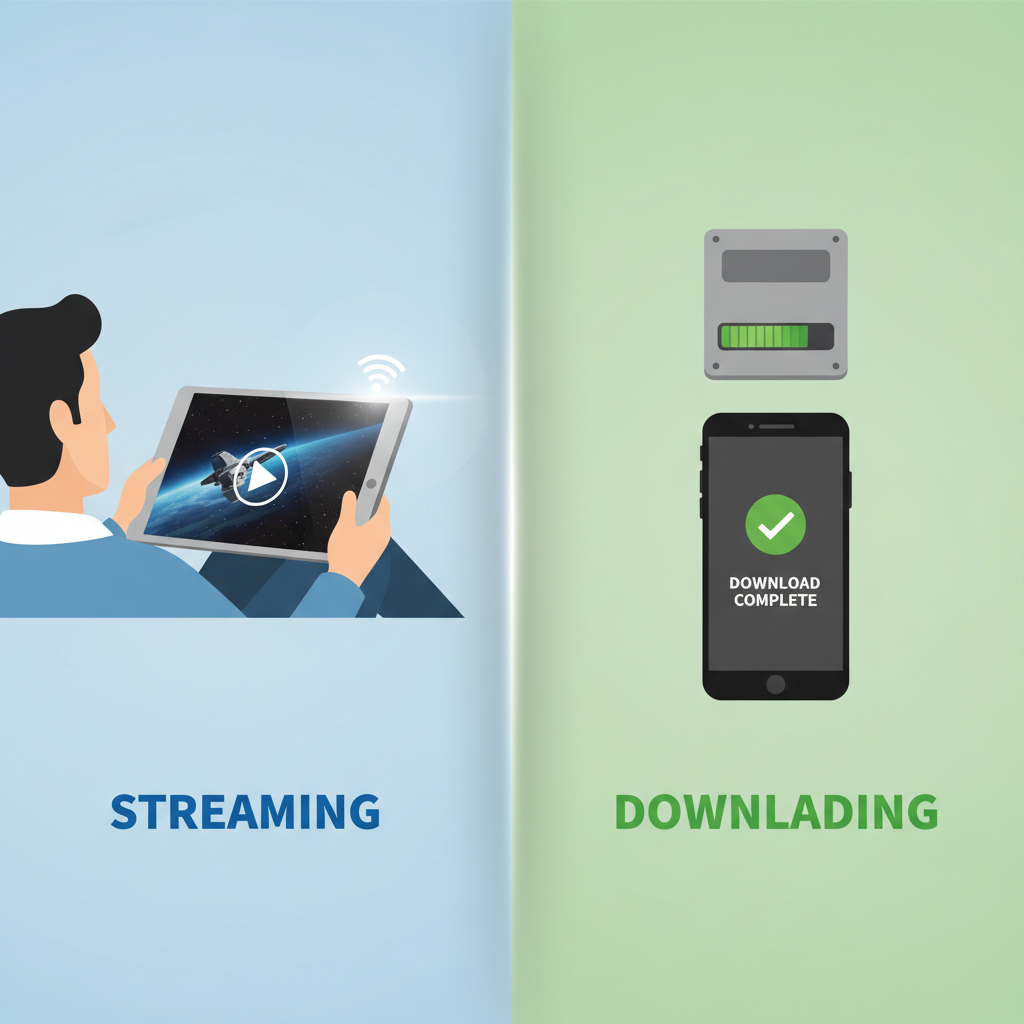
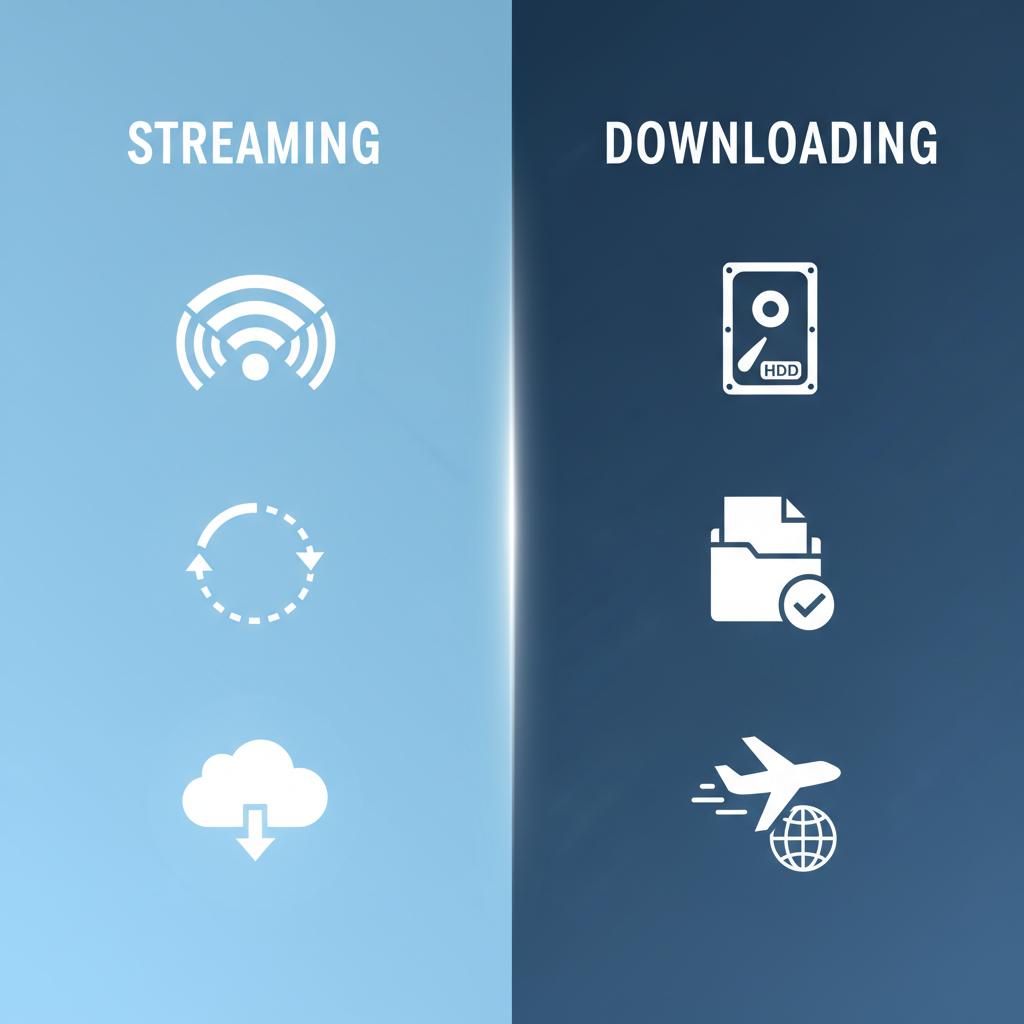
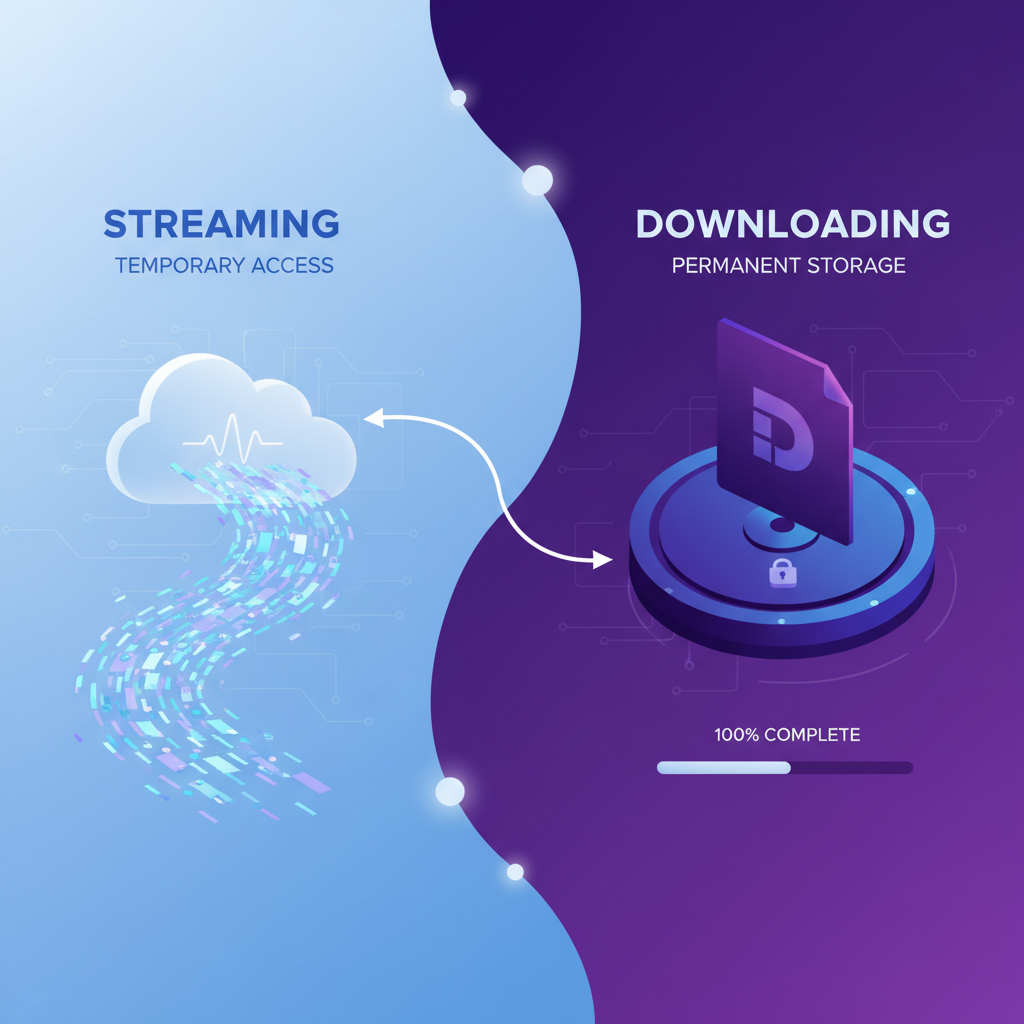
While both methods deliver digital content to your device, their delivery mechanisms are distinct. Downloading content involves transferring the entire file—be it a movie, song, or document—from a server to your local storage (hard drive, SSD, or mobile storage). Once the download is complete, the file resides permanently on your device, allowing for offline access.
Streaming media, conversely, is a continuous transmission of data that is processed and played in real-time. Instead of saving the entire file, your device buffers small segments of data just ahead of playback. This data is temporary; once viewed, it is usually discarded. This mechanism is key to why streaming services like Netflix and Spotify require a stable internet connection throughout the viewing or listening process.
The Role of Buffering and Bandwidth
- Downloading: Requires high bandwidth initially to minimize transfer time, but zero bandwidth afterwards.
- Streaming: Requires consistent, moderate bandwidth throughout the entire playback duration to prevent buffering interruptions. Higher quality streams (4K UHD) demand significantly more bandwidth than standard definition or MP3 audio files.
Accessibility and Portability: When Internet Access is the Deciding Factor
One of the most significant differentiators in the Streaming vs Downloading debate is internet dependency. Streaming content offers unparalleled convenience and instant access to massive libraries without the need for prior planning or local storage management. However, this convenience vanishes the moment your internet connection falters or disappears.
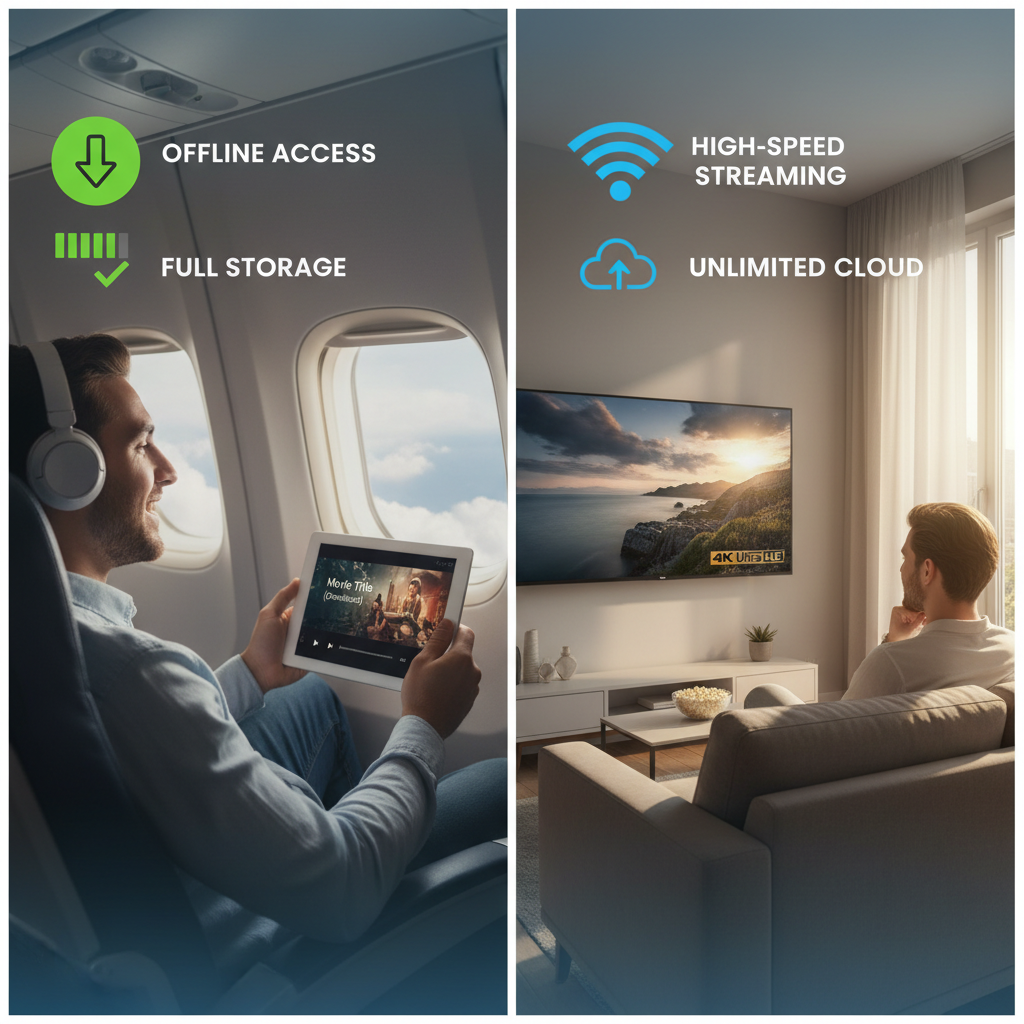
Downloading digital media sacrifices instant, universal access for guaranteed availability. If you are traveling, commuting, or in an area with poor connectivity, having files downloaded locally is essential. This is particularly relevant for large files like high-definition movies or complex software updates.
Offline Access and Device Limitations
While many modern streaming platforms (like Amazon Prime Video or YouTube Premium) now offer limited download options, these files are often encrypted and tied to the platform's app, meaning they cannot be moved or played outside that ecosystem. True downloading, such as purchasing an MP3 or a DRM-free video file, offers complete ownership and portability across any compatible device.
Key Consideration: For users who frequently travel or face unreliable internet service, downloading content remains the most reliable solution for uninterrupted entertainment.
Storage and System Impact: Managing Your Digital Footprint
The impact on local storage is perhaps the most obvious difference between the two methods. Streaming media is inherently storage-friendly. Since data is temporary and discarded after use, streaming allows users to access terabytes of content using minimal local storage space. This is a massive advantage for devices with limited capacity, such as smartphones or entry-level laptops.
Conversely, downloading files requires significant local storage. A single 4K movie can easily consume 5GB to 15GB of space, and a large music library can quickly fill up even substantial hard drives. While storage costs have decreased, managing a vast collection of downloaded media requires organization, regular backups, and potentially external storage solutions.
Data Consumption and Cost Implications
While streaming saves local storage, it significantly impacts data consumption. Continuous 4K streaming can consume several gigabytes per hour. For users with capped internet plans or limited mobile data, this can lead to costly overage charges. Downloading content, while consuming a large chunk of data upfront, does not consume any additional data during subsequent viewing, making it more economical for repeated consumption.
- Streaming: Low storage impact, high recurring data usage.
- Downloading: High storage impact, low recurring data usage (after initial download).
Quality, Ownership, and Longevity of Access
The quality of streamed content is highly variable and adaptive. Streaming services dynamically adjust resolution based on network conditions—a process known as adaptive bitrate streaming. While this prevents buffering, it often means the user is not viewing the maximum available quality, especially during peak network congestion.
When you download digital media, you receive the file in its original, fixed quality (assuming the source file is high quality). This guarantees the best possible viewing or listening experience, regardless of current network conditions. Furthermore, downloaded files represent a form of digital ownership (depending on the license), guaranteeing access even if the original streaming service removes the content from its library.
The Longevity Factor
Consider the lifespan of content. Streaming libraries are constantly changing due to licensing agreements. A movie available on Netflix today might be gone next month. Downloaded files, however, remain accessible as long as the storage medium is functional. For consumers who value permanence and guaranteed access to specific media, downloading offers superior longevity and control.
The Verdict: Choosing the Right Method for Your Needs
There is no single 'best' method; the optimal choice depends entirely on the user's priorities, internet reliability, and device capabilities. The debate of Streaming vs Downloading boils down to convenience versus control.
When to Choose Streaming:
- You have fast, reliable, and unlimited internet access.
- You prioritize instant access and variety over permanence.
- You use devices with limited internal storage (e.g., smartphones, tablets).
- Your consumption is varied and not repetitive (watching a movie once).
When to Choose Downloading:
- You have limited or capped internet data plans.
- You frequently travel or commute without reliable Wi-Fi.
- You want guaranteed, high-quality playback without buffering.
- You value digital ownership and want long-term access to specific media.
Frequently Asked Questions
What is the main difference between streaming and downloading?
The main difference lies in how the data is handled. Streaming processes data temporarily in real-time without saving the entire file, requiring a constant internet connection. Downloading transfers the entire file to your device's local storage, allowing for permanent, offline access once complete.
Does streaming use more data than downloading?
For a single viewing or listening session, downloading uses more data upfront. However, if you consume the same content multiple times, streaming will use data every time you access it, potentially resulting in higher overall data consumption than a single download.
Is 4K streaming the same quality as a 4K download?
Not always. A 4K download guarantees the full resolution and bitrate. 4K streaming often relies on adaptive bitrate technology, meaning the quality can fluctuate based on your internet speed, sometimes dropping below true 4K resolution to prevent buffering.
Which method is better for long-term media archiving?
Downloading is significantly better for long-term media archiving. Downloaded files are stored locally and are not subject to the licensing changes or removal risks associated with subscription-based streaming libraries.
Conclusion
The evolution of digital media has provided consumers with powerful choices. While streaming services offer unparalleled convenience, variety, and storage efficiency, downloading content provides stability, guaranteed quality, and true offline capability. The modern consumer often employs a hybrid approach, streaming daily content and downloading essential media for travel or archival purposes.
Ultimately, assessing your internet reliability and storage constraints will guide your decision. Don't let data caps dictate your entertainment choices! Start optimizing your media consumption today by evaluating which method best fits your lifestyle and technical environment. Share this article with friends who are still struggling with the 'buffer face'!